Your Wedding Timeline Matters More Than You Think
Your planning and navigating one of the most important and incredible days of you and your partners lives. Over the years of photographing and documenting wedding stories, I’ve come to understand why your timeline is the one element that should be the most intentional over. Yet, also the most liberating component once completed. A wedding timeline is more than just a schedule, it’s the emotional framework of your day. A well crafted timeline protects your peace, preserves space for connection, and ensures your memories unfold naturally instead of feeling rushed or forced. As a documentary wedding photographer with a photojournalistic approach, I’ve learned this: your energy leads the lens. When your timeline flows intentionally, your photos become effortless, emotional, and lively.
In this guide, I’m breaking down exactly how to create the ideal wedding timeline, including:
- How to structure your day around your ceremony
- When a first look makes sense
(and when it doesn’t)
- Real timeline examples for both options
- Where photography fits naturally
- How to create space for calm, connection, and presence
This isn’t about rigid rules, it’s about designing a day that feels like you.


Plan around the Ceremony First: Why It’s the Anchor of Your Wedding Day
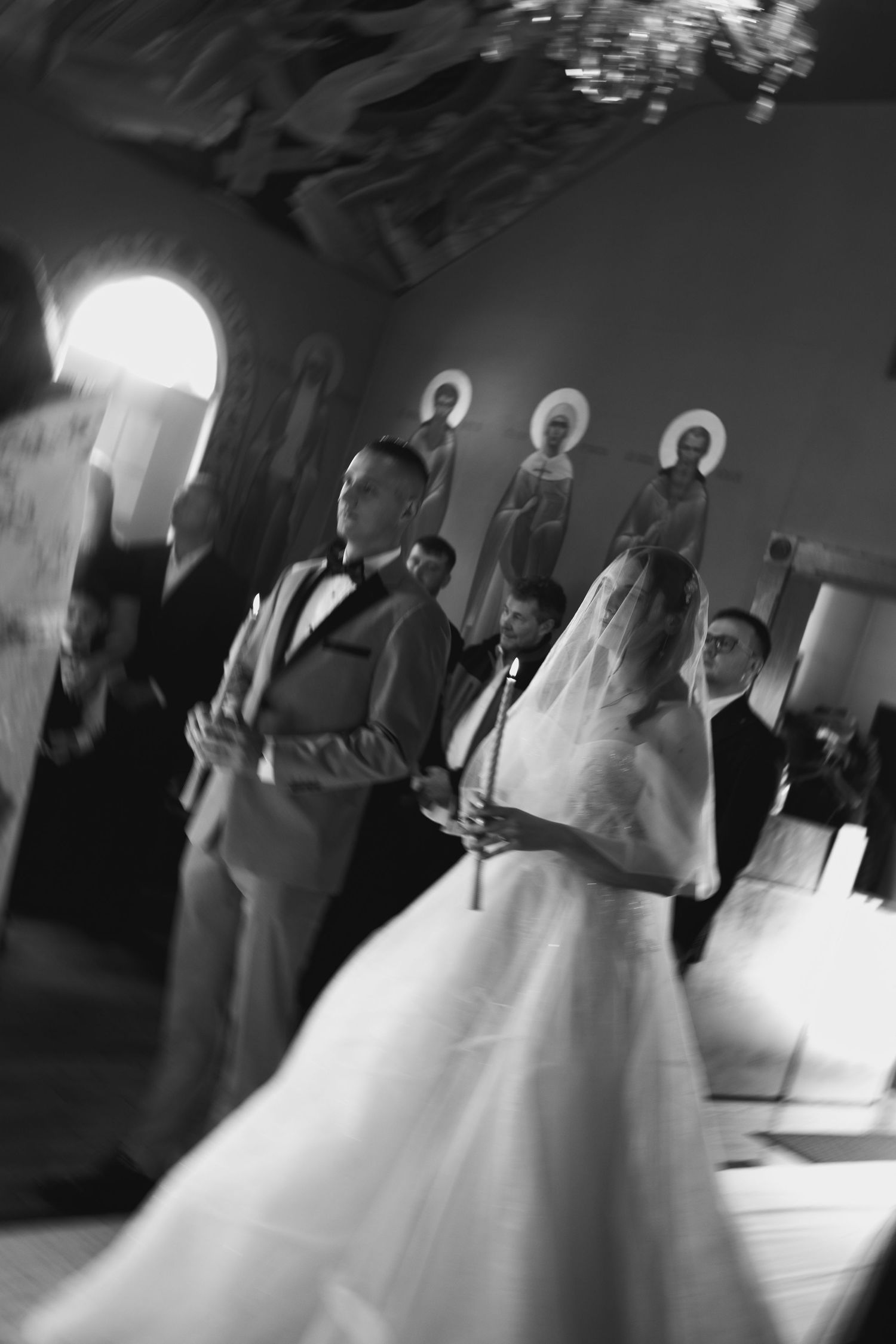
The ceremony is the emotional heart and logistical anchor of your entire wedding day. It is the one fixed moment everything else flows around! The reason we’re all gathered to witness and celebrate, your public declaration to loving and serving one another for this lifetime!
Before building anything else into your timeline, lock in:
- Ceremony start time
- Ceremony length (typically 15–30 minutes)
- Whether your ceremony is indoors or outdoors (back-up plan for rainy seasons)
- Note sunset time (especially important for portraits)
Once this is established, everything else, getting ready, portraits, cocktail hour, dinner, sunset photos, can be built intentionally around it.
Getting Ready: Where the Day Truly Begins, Tips & Insights
Your wedding day begins quietly. This portion sets the emotional tone and deserves far more intention than it usually receives.
How I Approach Getting Ready Photography
I buffer 45-60 minutes at the very beginning of the day exclusively for detail styling (dress, shoes, jewelry, invitations, heirlooms), flat lays, room preparation, and finding the best natural light & touring the venue. This allows the day to begin calmly, without rushing, and ensures all the important details and early hours of documenting are covered and taken care of before your getting ready moments begin to unfold.
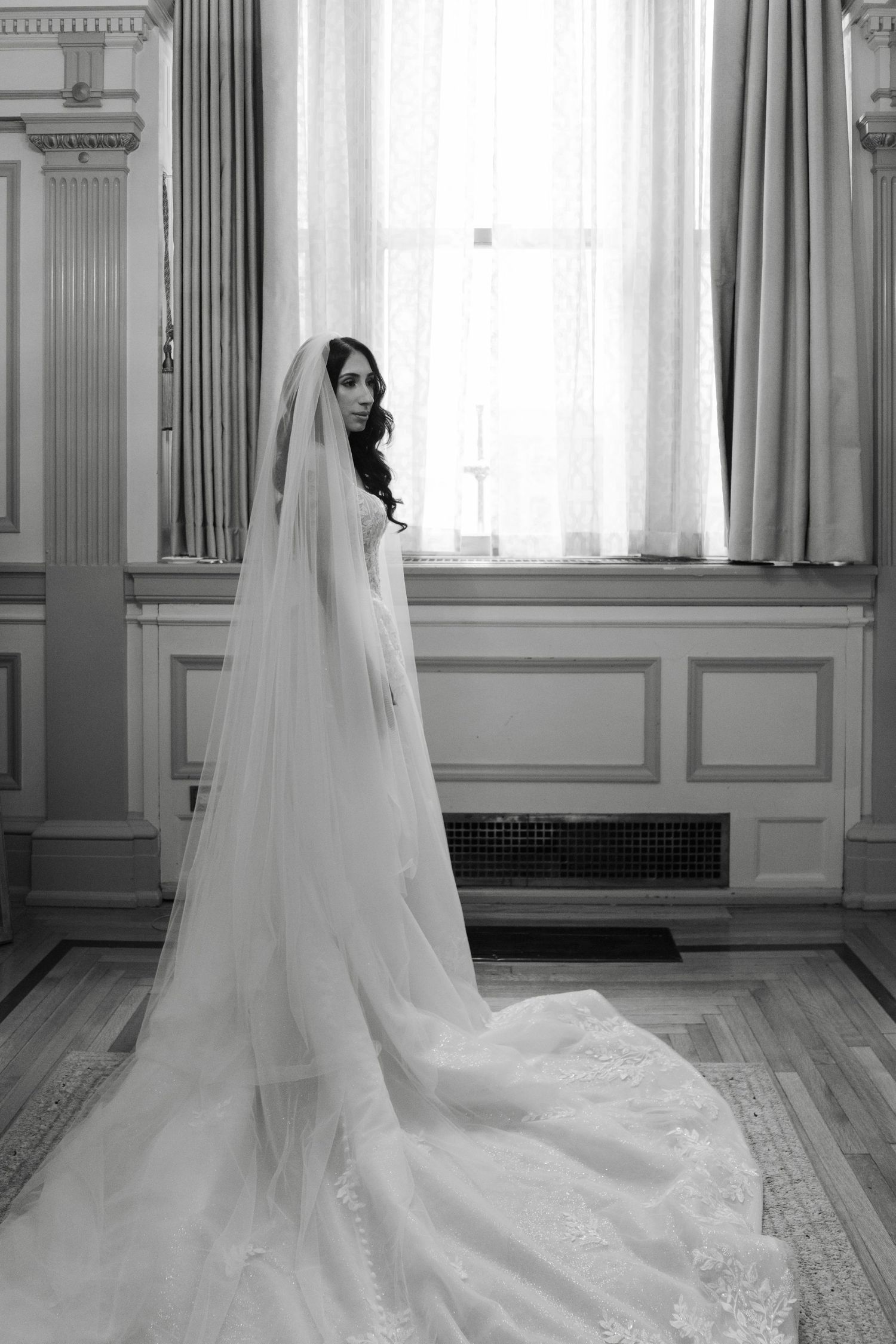
My advice when settling into the day, and preparing to get ready is to choose a space with natural window light. While designating a clean room for portraits (if your getting ready space allows for it), with so many items and tasks unfolding before your ready to get dressed spaces feel cluttered and the breathing room gets lost. Keeping clutter minimal and designating a clean room to get ready in solves this. What should be a moment of clarity, focused on your emotion and your loved ones present it can unfortunately get lost in a room full of things you no longer need (bags, food containers, curling irons, garment bags). With this in mind, a key take away is having your bridesmaid or maid of honor (if any) dressed and ready before you prepare to get dressed. When your bridal party is just minutes behind your getting dressed hour, the room goes wild, shuffling, bags everywhere without leaving them time to slow down and store away their belongings to give you the space you deserve.
One area of the day that can easily delay and push timelines, is your glam hours. Ensure you communicate with your glam team to ensure all parties involved will be prepared and ready before your getting dressed time comes. Having hair & makeup finish at least 60-90 minutes before your ceremony or portrait block time, and just 30 minutes before getting ready can truly make all the difference in the energy, pace and flow throughout following moments.
Ideal getting ready time blocked in - 60 minutes from finishing makeup and hair touches to fully dressed, finally aligning seams.


First Look or No First Look: Choosing What Serves Your Experience
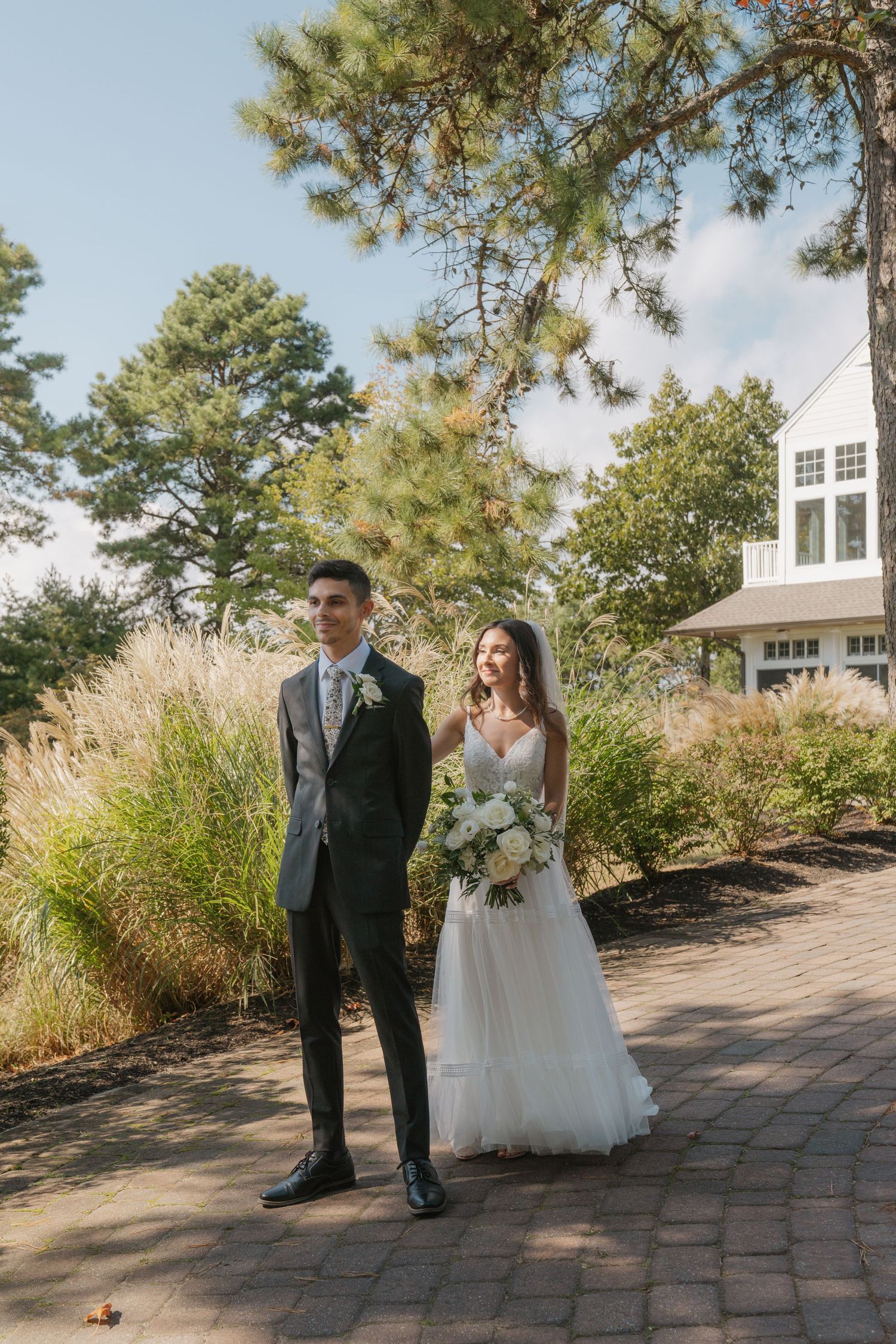
The decision to have a first look is deeply personal. There is no right or wrong choice, only what best supports the emotional experience you want to have. Some couples choose a first look because they want a private, intimate moment together before the ceremony. Others value tradition and dream of seeing one another for the first time walking down the aisle. Both are beautiful. What matters most is how the choice shapes your timeline and emotional flow.
A first look often allows for a more relaxed pace throughout the day. Portraits can be completed earlier, which means you’re able to attend your cocktail hour, spend more time with guests, and avoid post ceremony rushing. It also provides space for emotional release, grounding nerves and allowing you to fully arrive into the ceremony. From experience I have witnessed couples who are full of emotions throughout a first look, and down the aisle. So truly, everyone's preference is personal.
Choosing not to do a first look creates an emotionally charged aisle moment and preserves tradition. However, it requires more intentional timeline planning to ensure portraits, family formals, and sunset photos don’t feel rushed. Neither option is superior. The best choice is the one that aligns with your emotional priorities, not industry trends!


Timeline Flow: With a First Look
When couples choose a first look, their day often unfolds with ease and space. Photography typically begins around noon, allowing time for details, getting ready moments, and relaxed preparation. The first look usually happens mid afternoon, followed by couple portraits, wedding party photos, and immediate family formals.
With portraits completed before the ceremony, couples are able to enter cocktail hour freely, greeting guests, enjoying drinks, and soaking in the joy of the celebration. As the evening unfolds, we also have the option to step away briefly for sunset portraits, capturing cinematic golden hour images without disrupting the natural flow of the night.
This approach prioritizes presence, emotional grounding, and guest experience.
Timeline Flow: Without a First Look
When couples choose to wait until the ceremony, the timeline becomes more traditional and emotionally heightened. The day still begins with details and preparation, but portraits are intentionally reserved for after the ceremony.
Following the ceremony, we move directly into family formals, wedding party portraits, and couple portraits. Because time is more limited, this portion of the day requires thoughtful pacing and efficient flow to ensure nothing feels rushed.
Sunset portraits become especially important here, as they offer a second opportunity to capture romantic, cinematic images after the ceremony. This timeline protects tradition while still creating space for intentional photography.

Designing Portrait Time That Feels Natural
One of the most common concerns couples express is not wanting their wedding day to feel like a photoshoot. This is where intentional portrait flow becomes essential.
Instead of long, exhausting sessions, I design portrait time in short, meaningful windows spread throughout the day. This approach prevents fatigue, protects your energy, and allows moments to remain genuine.
Couple portraits are captured in small pockets, wedding party photos move efficiently, and family formals are guided quickly and intentionally. Sunset portraits are kept brief and cinematic, allowing you to return to your celebration without disruption.
This rhythm allows photography to enhance your experience rather than interrupt it.
This portrait hour can be one of the most powerful storytelling tools in wedding photography. The soft, directional light creates warmth, depth, and emotional intimacy.
These portraits typically require no more than five to eight minutes, yet they often become couples’ favorite images. This brief pause allows you to reconnect, breathe, and reflect, offering a quiet moment together before returning to the celebration.
Family Formals Without the Stress
Family photos are deeply meaningful, yet they’re often one of the most stressful parts of the timeline. Without a plan, they can become chaotic and emotionally draining.
By creating a short, intentional grouping list and choosing a well-lit, accessible location, family formals become seamless. I guide positioning, rotate family members efficiently, and maintain a calm pace that allows everyone to stay relaxed.
When thoughtfully structured, this portion of the day becomes smooth, respectful, and surprisingly peaceful.
Protecting Guest Experience During Cocktail Hour
Cocktail hour sets the emotional tone for your evening. It’s where guests begin to relax, connect, and celebrate. When portraits are completed earlier in the day, couples can fully join cocktail hour, creating genuine moments of connection and joy. This often leads to some of the most emotionally rich candid images of the entire day. If portraits must take place during cocktail hour, careful pacing ensures minimal guest disruption and a seamless flow into the reception.


Buffer Time: The Secret to a Calm Wedding Day
Every truly seamless timeline includes intentional buffer space. Hair and makeup delays, transportation hiccups, emotional moments — these are natural parts of a wedding day.
By building breathing room into key transitions, your timeline becomes resilient rather than fragile. Buffer time protects your peace, absorbs delays, and ensures your day never feels rushed.
Final Thoughts: A Timeline That Serves Your Story
Your wedding timeline should never feel rigid or restrictive. It should feel like a gentle structure that supports your emotional experience.
The most beautiful wedding days are not overly choreographed. They are thoughtfully planned and then allowed to unfold naturally. When your timeline protects your peace, your photos reflect genuine connection, joy, and depth. My role is to guide my couples through this process, anticipating moments before they happen, shaping flow behind the scenes, and documenting your day with care, artistry, and intention, so you can remain fully present inside it.
If you’re planning your wedding and want help designing a timeline that feels effortless, intentional, and emotionally grounded, I’d love to walk through it with you. Together, we’ll create a day that flows beautifully, one that feels calm, meaningful, and deeply you.
[wedding day timeline, wedding timeline examples, how to create a wedding timeline, wedding photography timeline, first look wedding timeline, documentary wedding photography, New Jersey wedding photographer, East Coast wedding photographer]